
Why Citrus and Dark Chocolate Have Always Belonged Together — And Why Ecuador Does It Differently
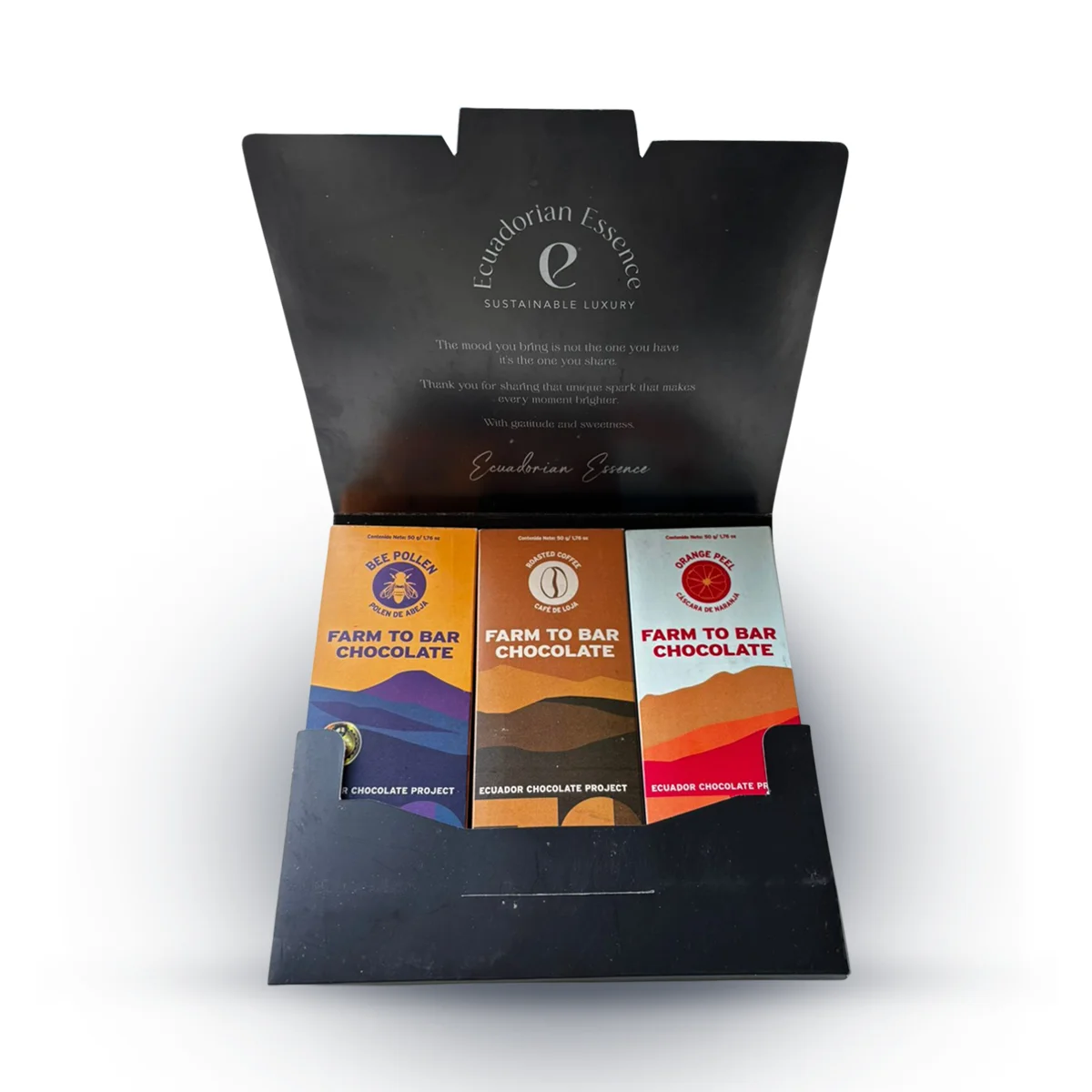
Long before “flavor innovation” became a marketing term, citrus and dark chocolate were already sharing the table.

In Europe, candied orange peel dipped in chocolate was a classic confection.
In Latin America, cacao and native fruits were combined long before industrial chocolate existed.

The pairing works because it is structural, not decorative.

Citrus cuts through fat.
Cacao provides depth.
Together, they create contrast and balance.

Orange Peel Chocolate from Ecuadorian Essence was not created to follow a trend — it was created to honor that balance through fine aroma cacao and Farm-to-Bar craftsmanship.

Why 70% Cacao Changes the Experience

At lower percentages, chocolate becomes sweet and citrus becomes dominant.
At 70%, something different happens:

  • Bitterness becomes elegant rather than harsh
  • Acidity becomes structured
  • Aromatic layers become visible

Fine aroma Ecuadorian cacao is known for its floral and fruity undertones. When paired with natural orange peel and Sabaleto honey, the result is not sharp — it is bright.

This brightness makes the chocolate:

  • Ideal for wine pairings
  • Compatible with espresso
  • Attractive in curated gourmet assortments

It moves chocolate from candy to culinary ingredient.


Farm to Bar: Why It Matters in Gourmet Distribution

In premium retail, provenance is no longer optional.

Consumers — and increasingly buyers — look for:

  • Transparent sourcing
  • Controlled fermentation
  • Traceable cacao origin
  • Small-batch production

Farm-to-Bar communicates:

This chocolate is crafted, not manufactured.

For distributors, that distinction supports:

  • Higher shelf positioning
  • Reduced price comparison
  • Stronger storytelling at point of sale

In a competitive gourmet environment, clarity of origin becomes margin protection.


Citrus as a Strategic Retail Flavor

Orange Peel Chocolate works commercially because:

  1. It is familiar enough to feel safe.
  2. It is complex enough to feel premium.

It bridges the gap between:

  • Adventurous consumers
  • Traditional chocolate buyers

This makes it particularly effective in:

  • Wine shops
  • Specialty grocery
  • European-style delis
  • Airport premium retail
  • Gift assortments

It does not intimidate the buyer — but it still elevates the category.

Ecuador as a Citrus-Cacao Ecosystem

Ecuador’s climate allows for both:

  • Fine aroma cacao cultivation
  • High-quality citrus production

This ecological compatibility reinforces authenticity. The orange is not an imported afterthought — it complements cacao grown in the same broader ecosystem.

When paired with Sabaleto honey, the profile gains:

  • Natural sweetness
  • Textural complexity
  • Aromatic cohesion

The result is layered, not artificial.


Why Distributors Should Pay Attention

Orange Peel Chocolate offers:

  • A classic flavor executed at premium level
  • Cross-category compatibility (wine, coffee, gifting)
  • Strong visual and tasting impact
  • Farm-to-Bar authority
  • Stable commercial positioning in gourmet markets

It performs especially well where:

  • Customers are educated
  • Staff can explain origin
  • Premium perception is valued

This is not seasonal chocolate.
It is a permanent gourmet SKU.

Algunas combinaciones de sabores sobreviven porque funcionan.
Otras evolucionan porque la artesanía las eleva.

La naranja y el cacao van de la mano.
Pero cuando se combinan con el aroma fino del cacao ecuatoriano, la disciplina de la granja al bar y el equilibrio de la miel, se convierten en algo más refinado.

👉 Explora el chocolate con cáscara de naranja y nuestra colección completa de la granja a la barra

Leave a Reply

Your email address will not be published. Required fields are marked *